

Student resources
The UAF School of Education offers student resources to support your academic and professional journey, including one-on-one advising, scholarships and grants, VA education benefits, and flexible fieldwork options across Alaska. Get involved through student organizations like Educators Rising Alaska and the Alaska Indigenous Teacher Corps, and access support whether you're on campus or learning remotely.
Make an appointment with our advisors and program coordinators to get help with planning
your semester schedule and tracking your degree progress. The UAF School of Education offers several scholarship and financial aid opportunities
to support future educators. These include the need-based Alaska Education Grant,
the Teacher Education Loan for those committed to teaching in rural Alaska, and the
UA Teacher Internship Scholarship, which covers full tuition and provides a $10,000
stipend during a student’s final, full-time internship year.

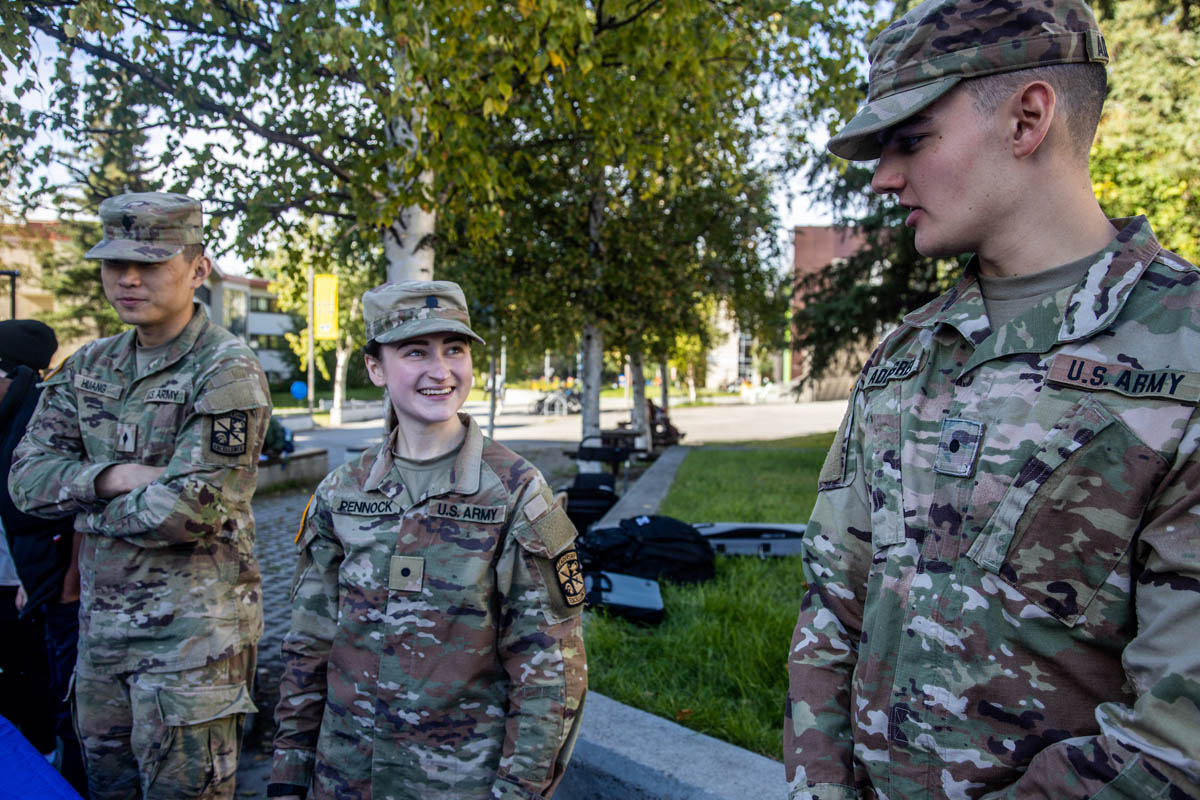
UAF is a Military Friendly University that offers military tuition assistance, transfer
credits for military training, VA educational benefits advising and other resources
for veteran and military students.
Learn more about licensure reciprocity with other states.
Student organizations
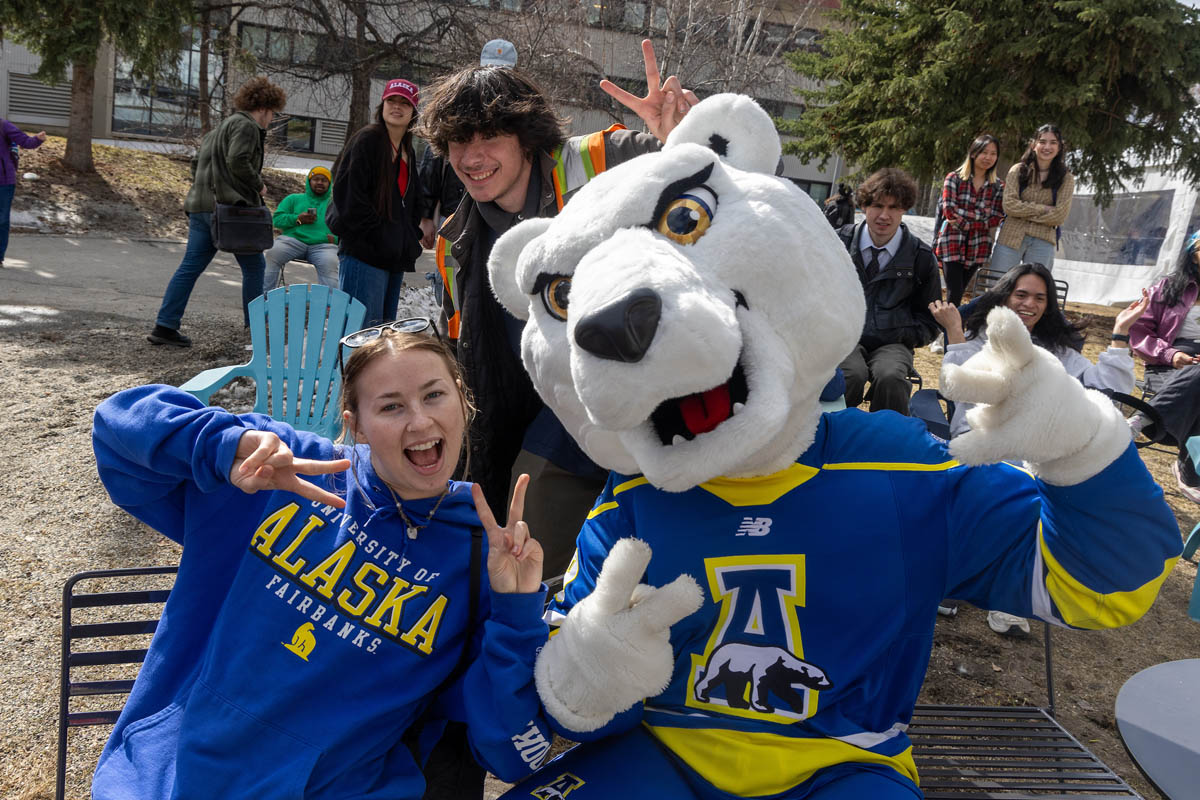
Explore Nanook Engage, UAF’s official campus community platform, for a full list of clubs and student activities.

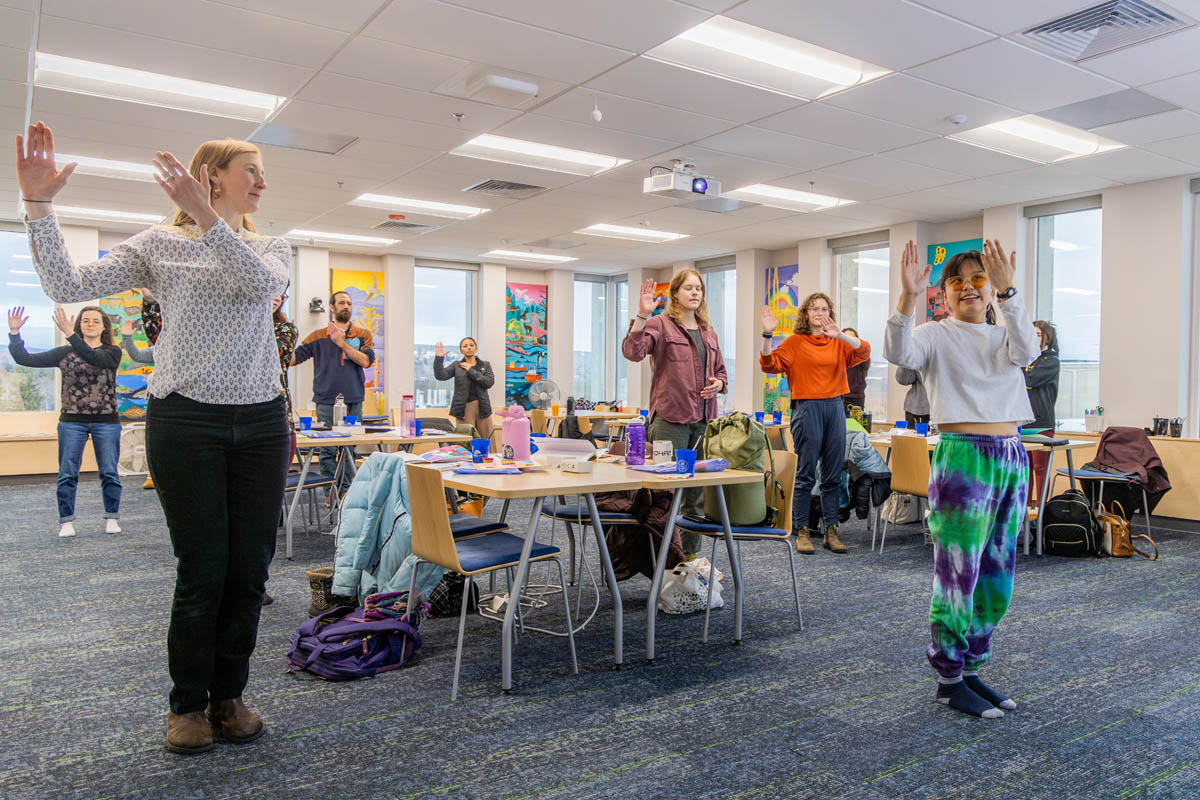
The Alaska Indigenous Teacher Network connects and supports leadership in Indigenous UAF alumni teaching in Alaska's public schools. The network provides spaces for connection, mentorship, and professional learning that honor and integrate Indigenous ways of knowing, teaching, and leading. Through shared resources, gatherings, and partnerships, AITN supports culturally sustaining education and works to strengthen local capacity and representation in the teaching workforce. Its goal is to retain a strong Indigenous teacher workforce that reflects and uplifts the students and communities they serve across Alaska.
FAQs
NO! You can become a teacher or a counselor through a UAF education program throughout Alaska, without leaving your home region. We offer programs with both face-to-face and distance-delivered courses.
All of our programs can be completed via distance learning.
We also offer classes in a variety of modalities, from face-to-face, asynchronous, synchronous, hybrid and zoom.
We have offices and classes in both Fairbanks and Anchorage.
YES! UAF programs allow students to complete both short-term (15-30 hour) and long-term (semester and year-long) fieldwork experiences at nearly any public school district in Alaska. Depending on the district, there are different policies and protocols that are followed to set up fieldwork and internship experiences, so be sure to work with your advisors and program faculty.
It depends on your credits. UAA allows any UA student to live on campus, but they do require that undergraduate students be enrolled in nine or more credits. If you’re taking fewer than nine credits, you can fill out an exception form and submit it to the UAA director of university housing. To live on campus at UAF, you just need to be enrolled in one UA credit.
Yes. Regardless of location, when you enroll in a UAF School of Education program, you pay the UAF students fees that include student services as published in the course catalog. UAF and UAA are collaborating to ensure that if located in Anchorage, these same student fees apply to the comparable UAA student service. For example, the UAA WolfCard will gain you access to library services, sporting events and support services. If you have questions about specific fees or services, please contact the UAF Office of the Bursar at 907-474-7384 or uaf-bursar@alaska.edu.
Students need to have one face-to-face class where they are sitting in the same room with their instructor (not an online synchronous class) in order to get the full GI Bill® housing stipend.
- Undergraduate students using VA benefits: After being accepted into UAF and registering for classes, students will need to talk with the Department of Military and Veteran Services for certification. This includes filling out a Certification Request Form (PDF) and a VA Change Form (PDF) if you are transferring from UAA.
- Graduate level students using VA benefits: In addition to the undergraduate requirements, once students are registered for classes, their advisors will need to submit their graduate studies plans and advisor memos to the Department of Military and Veteran Services. The School of Education and Department of Military and Veteran Services coordinate to ensure compliance.
- For students using VA educational benefits, contact:
Stephen Philips, Director
Department of Military and Veteran Services
Phone: 907-474-7400
Email: uaf-va@alaska.edu
GI Bill® is a registered trademark of the U.S. Department of Veterans Affairs (VA). More information about education benefits offered by VA is available at the official U.S. government Web site at https://www.benefits.va.gov/gibill.
UAF transfer credit staff will work directly with UAF SOE advisors to ensure credits are applied in the best way possible for each student's circumstances. Note that UAF will evaluate all prior college transcripts, not just the UAA transcript. If a student previously transferred from another school when originally applying to UAA, UAF will re-evaluate those transcripts for UAF credit. All transcripts submitted previously to UAA are available for UAF staff and there should be no need for the student to submit duplicate transcripts to UAF.
Depending on your program, you may still be able to take UAA face-to-face courses that count toward your degree. Face-to-face courses in Anchorage are also offered for some UAF education courses.
For financial aid, all UAA transfer students need to add the UAF school code (001063) to their FAFSA, so UAF can award financial aid. Students who wish to borrow federal loans must complete the following requirements at the Federal Student Aid website:
- Master promissory note
- Entrance counseling exam
Lastly, students need to accept the amount of a federal loan that they wish to borrow through UAOnline.
For questions about UAF financial aid, contact:
Ashley Munro, Director
Financial Aid OfficePhone: 907-474-1934
Toll-free: 888-474-7256
Email: akmunro@alaska.edu