


Research Overview
The College of Fisheries and Ocean Sciences conducts research in fisheries, oceanography and marine biology. Our projects range from hypothesis-driven studies to long-term monitoring time series to large integrative projects. Much of our research focuses on the Arctic and North Pacific regions, but also extends well beyond Alaskan waters.
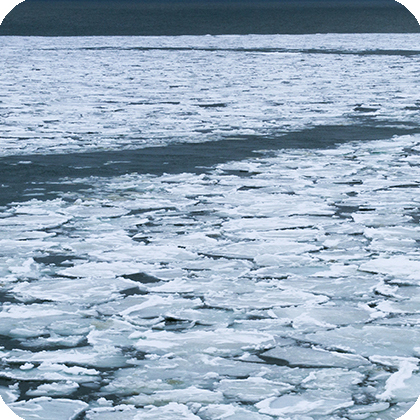
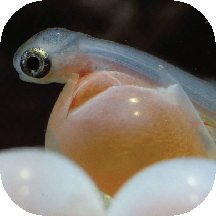
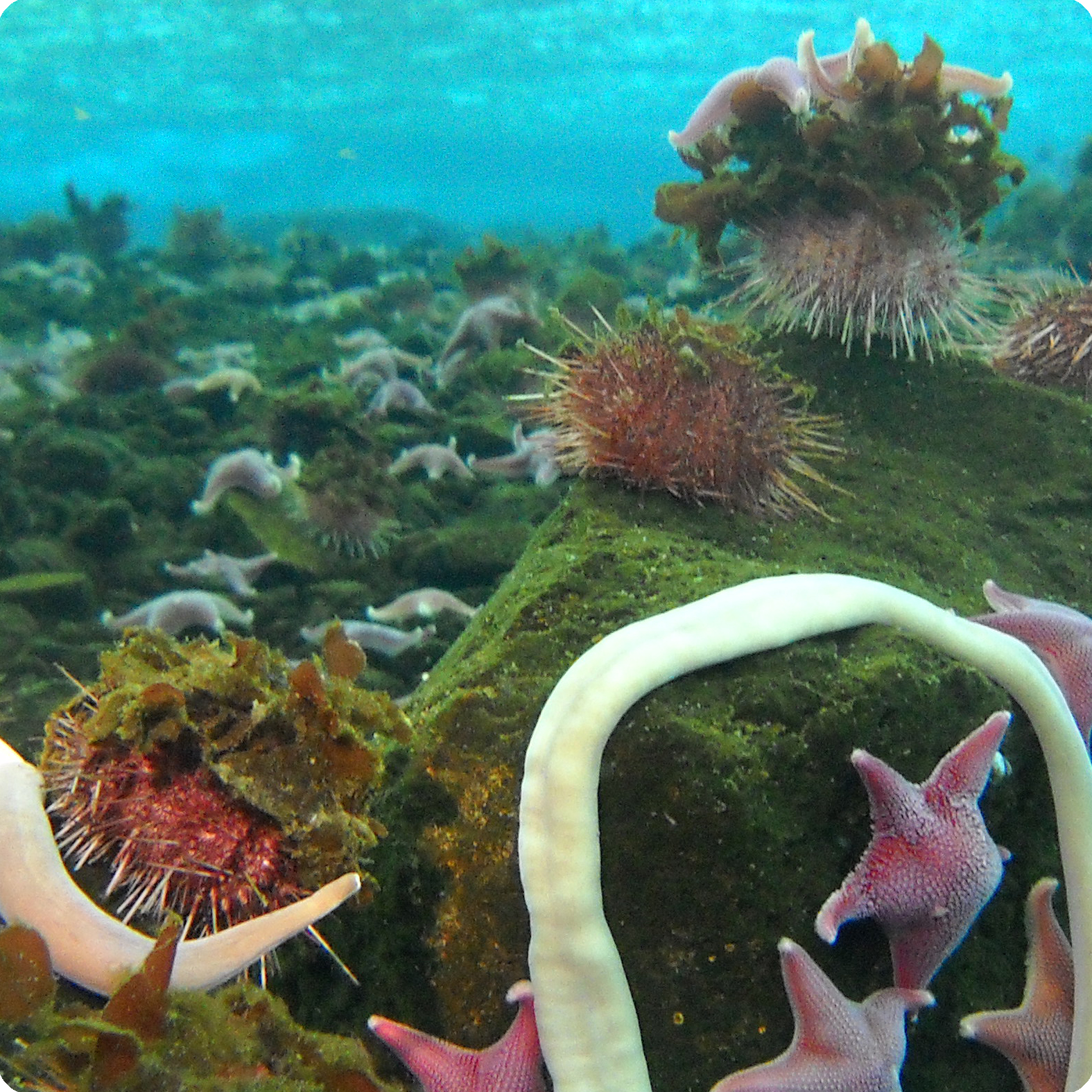
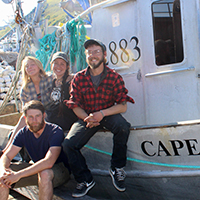
The Alaska Stable Isotope Facility conducts stable isotope analyses of a wide range of sample types for researchers all over Alaska and the globe. The facility is outfitted with a variety of equipment to aid customers with sample preparation and analysis can be provided for almost any plant or animal.
R/V Sikuliaq is a 261-foot oceanographic research ship capable of bringing scientists to the ice-choked waters of Alaska and the polar regions. Sikuliaq is one of the most advanced university research vessels in the world, allowing researchers to conduct many scientific endeavors with the lowest possible environmental impact.
On the south side of Kachemak Bay sits Kasitsna Bay Laboratory, where rich biodiversity provides wonderful opportunities for high latitude and estuarine research among a variety of marine ecosystem types, as well as the perfect environment for UAF’s cold-water scientific diving program. Several field classes are offered here, open to all students on the undergraduate and graduate level.
The University of Alaska Scientific Diving Program began in 1988, working under the auspices of the AAUS, and currently averages 40+ active divers per year. The program offers courses involving scientific diving and various subtidal research projects, focusing on cold-water and dry-suit diving across Alaska and the Antarctic.
The Ocean Acidification Research Center (OARC) was established to research concerns over increasing acidity in the ocean, the impacts on Alaska’s marine ecosystems, and by extension Alaska’s scientific and fisheries communities. Ocean acidification is a fairly new multidisciplinary research area encompassing topics such as biology, ecology, paleontology and more.
Established in 1970, the Seward Marine Center—home of the Tsunami Bowl—provides access to saltwater laboratories and the coastal environment at Resurrection Bay, Alaska, and offers a wonderful research location for UA graduate students.
The Institute of Marine Science is a research unit that focuses on the fields of oceanography, marine biology, and fisheries. Our research often has an arctic and subarctic focus. The institute boasts unrivaled experience in successfully carrying out year-round observation programs and hypothesis-driven research in high-latitude systems.
The University of Alaska Coastal Marine Institute (CMI) was established in 1993 through a cooperative agreement between the University of Alaska and the U.S. Department of the Interior Bureau of Ocean Energy Management (BOEM) to study coastal topics associated with the development of natural resources in Alaska's outer continental shelf.
The Rasmuson Fisheries Research Center was founded in 1994 by Elmer E. Rasmuson with a million-dollar endowment to the University of Alaska Fairbanks. The endowment continued to grow through a $100,000 donation by Wards Cove Packing Company and additional contributions by Mr. Rasmuson.
Pollock Conservation Cooperative (PCCRC) was established in February 2000 to improve knowledge about the North Pacific Ocean and Bering Sea through research and education, focusing on the commercial fisheries of the Bering Sea and Aleutian Islands.